IN PRACTICE
The Forge, Carshalton
Using a planning appeal to protect an implemented development
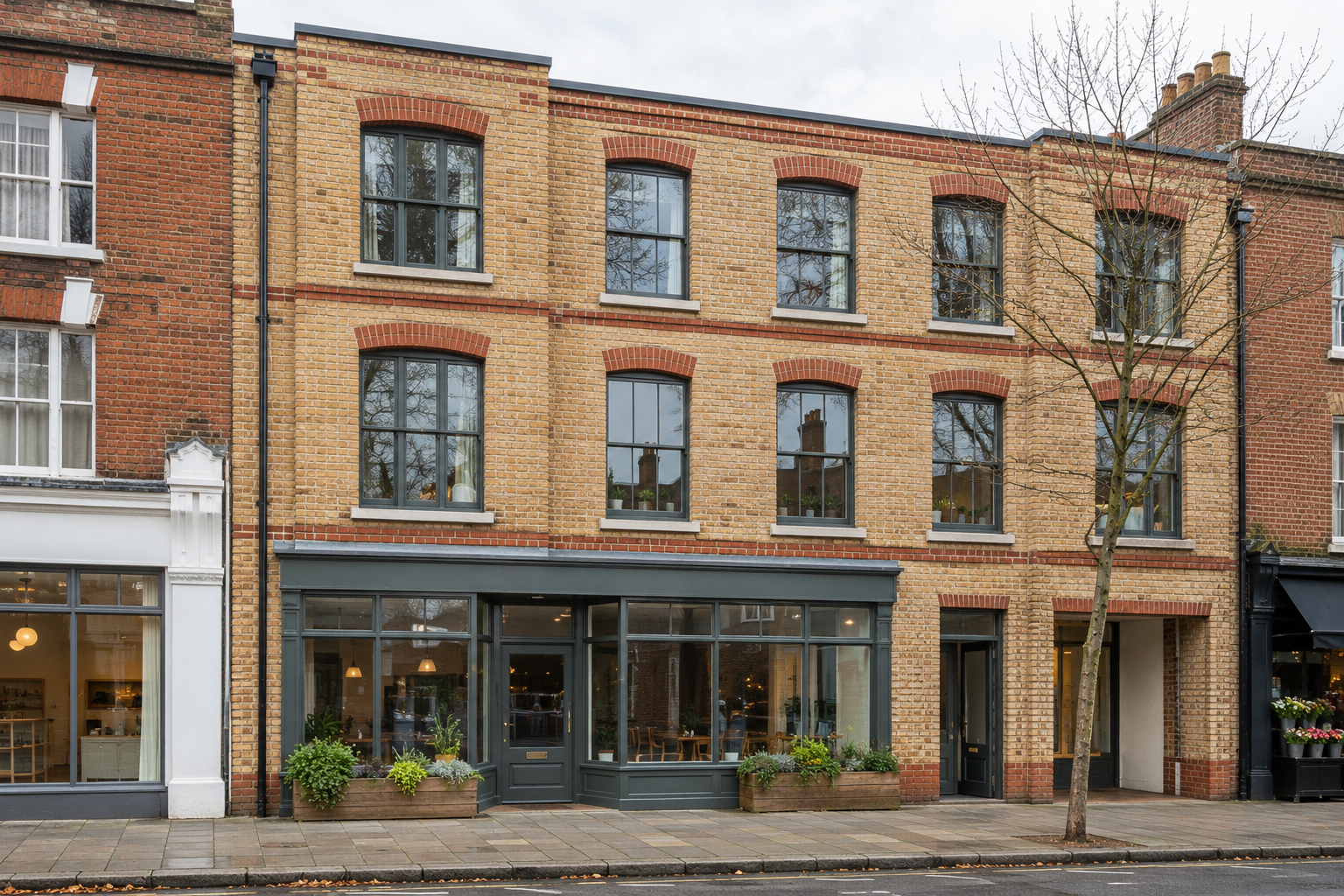
Planning appeals can remain critical long after development has taken place. At The Forge, 23 High Street, Carshalton, the issue was not whether a new development should receive planning permission, but whether the detailed remedial works required by an earlier appeal decision were acceptable.
The planning challenge
The condition imposed a carefully structured compliance process. It required the submission and approval of works addressing the building’s external appearance, landscaping, repointing, acoustic performance and implementation. If the requirements and deadlines were not satisfied, the building ultimately had to be demolished to ground level and the resulting materials removed.
ASI Asset Management Limited submitted the required details to the London Borough of Sutton, but the Council refused application CLC2024/00016. This left the implemented mixed-use development exposed to a significant condition-related demolition risk and made a properly prepared appeal essential.
Our approach
Maddox Planning prepared the Statement of Case and coordinated the evidence needed to address the Council’s concerns. Further information submitted through the appeal included detailed elevations and sections, material specifications, heritage commentary, landscaping proposals, a repointing methodology, an acoustic assessment and a programme for implementing the works. The case focused on the precise question before the Inspector: whether the submitted details were acceptable having regard to the character and appearance of the Carshalton Village Conservation Area.
The outcome
The Inspector accepted that the appeal had been made within the process established by the original condition and considered the additional details without prejudice to the parties. The proposed architectural details were found to provide an attractive and locally distinctive building, while the landscaping, repointing, acoustic measures and 84-week implementation programme were also accepted.
The appeal was allowed on 12 March 2025 and the details required by the condition were approved. The decision removed the immediate condition-related demolition risk and established an approved route for completing the remedial works. It demonstrates why appeal readiness must continue after permission has been granted: approval-of-details applications, enforcement history and condition deadlines can be just as important to protecting a development as the original planning consent.
Knowledge journey
In plain English
What is a planning appeal? is a guide to when a planning decision can be appealed, how the process works and what appellants need to consider.
Article
Non-determination appeals become strategic explains why appealing against delay can provide greater certainty than repeatedly agreeing extensions of time with the local planning authority.
Deeper reading
The new discipline of appeal-ready planning explains why the planning case and evidence need to be assembled at application stage.
Principal authoritative sources
Planning Inspectorate procedural guide for applications submitted from 1 April 2026
Section 78 of the Town and Country Planning Act 1990
Planning Practice Guidance: Appeals
Image is representative and does not depict the actual site.